

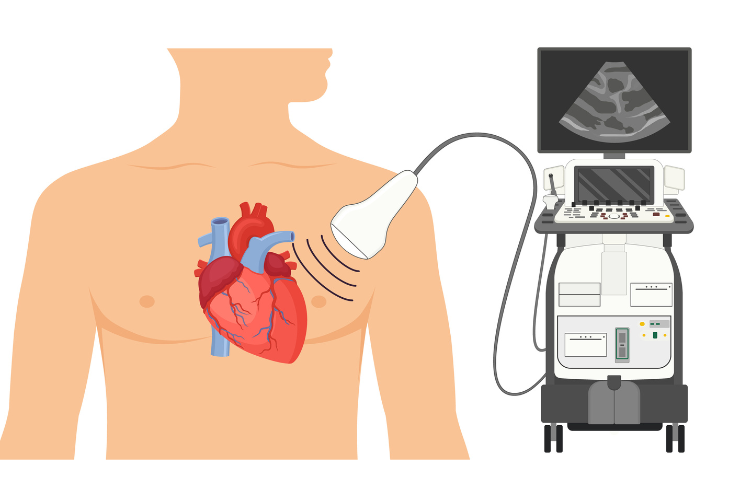
Echocardiography
Echocardiography (ECHO) is a non-invasive imaging technique that uses ultrasound waves to create detailed images of the heart. It helps assess heart function, structure, and blood flow, allowing for the diagnosis of conditions such as valve disorders, heart failure, and congenital heart defects. ECHO is a vital tool for guiding treatment decisions and monitoring heart health effectively.
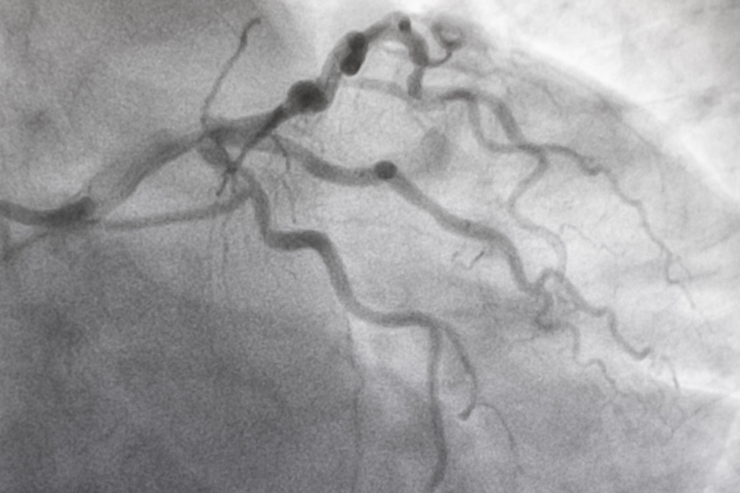
Coronary Angiography
Coronary Angiography is a diagnostic procedure that uses contrast dye and X-ray imaging to visualize the coronary arteries. It helps identify blockages or narrowing in the arteries that supply blood to the heart. This procedure is essential for diagnosing coronary artery disease and guiding treatment decisions, such as angioplasty or surgery, to restore proper blood flow to the heart.
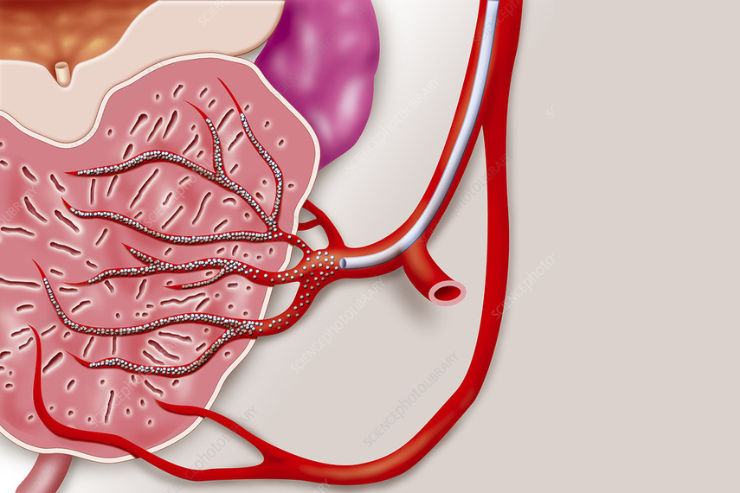
Prostate Artery Embolization
Prostate Artery Embolization is a minimally invasive procedure used to treat benign prostatic hyperplasia (BPH). It involves injecting small particles into the arteries supplying the prostate to block blood flow, causing the prostate to shrink. This reduces symptoms such as frequent urination and urinary obstruction, improving quality of life for patients with BPH.

Rotablation
Rotablation is an advanced interventional procedure used to treat heavily calcified and hardened blockages in coronary arteries. It involves a tiny, rotating burr that grinds away tough plaque, creating a smoother path for blood flow. This technique is often used in conjunction with angioplasty and stenting to ensure the arteries are adequately opened, improving heart function and reducing symptoms.
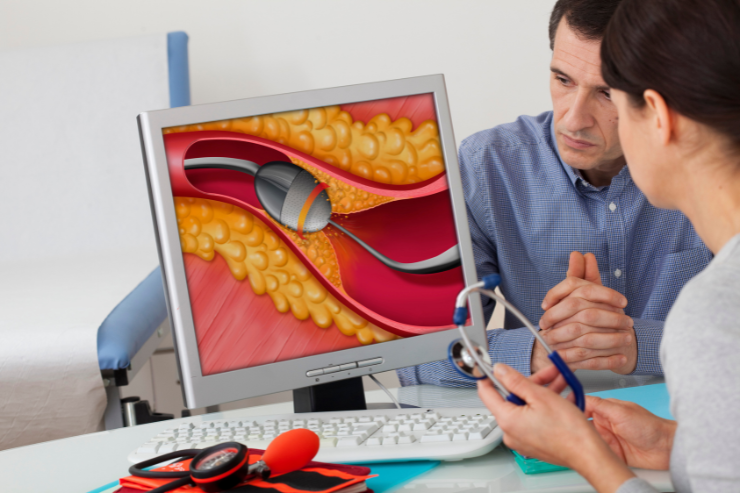
Orbital Atherectomy
Orbital Atherectomy is a specialized procedure used to treat calcified and complex blockages in coronary arteries. It involves a rotating, diamond-coated device that sands down the hardened plaque, improving blood flow. This technique is particularly useful for difficult lesions that are resistant to conventional angioplasty, often used in combination with other interventions to achieve better outcomes.
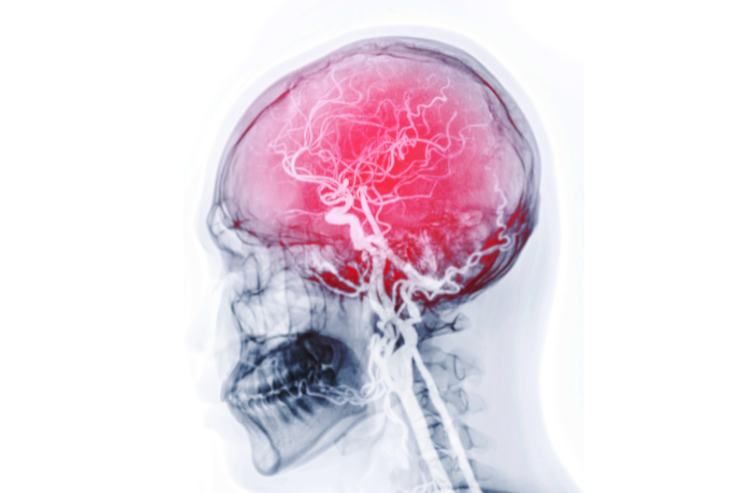
Carotid Angiography
Carotid Angiography is a diagnostic imaging procedure that uses contrast dye and X-ray to visualize the carotid arteries in the neck. It helps identify blockages or narrowing that could increase the risk of stroke. This procedure is crucial for evaluating blood flow to the brain and guiding treatment options to prevent cerebrovascular events.
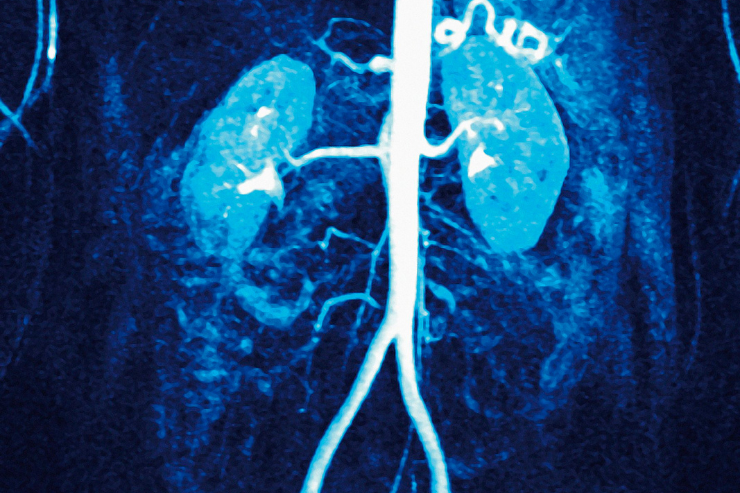
Renal Angiography
Renal Angiography is an imaging procedure that uses contrast dye and X-ray to visualize the blood vessels in the kidneys. It helps diagnose conditions such as renal artery stenosis, aneurysms, and tumors. This procedure is essential for assessing blood flow to the kidneys and guiding appropriate treatment for various renal disorders.
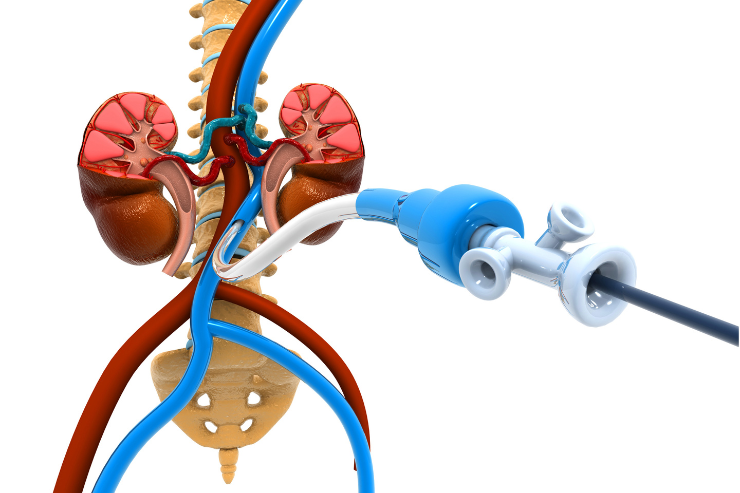
Renal Angioplasty
Renal Angioplasty is a minimally invasive procedure used to treat narrowed or blocked renal arteries. During the procedure, a balloon is inserted and inflated at the site of the blockage to widen the artery, improving blood flow to the kidneys. This technique helps manage conditions like renal artery stenosis and can reduce symptoms and preserve kidney function.
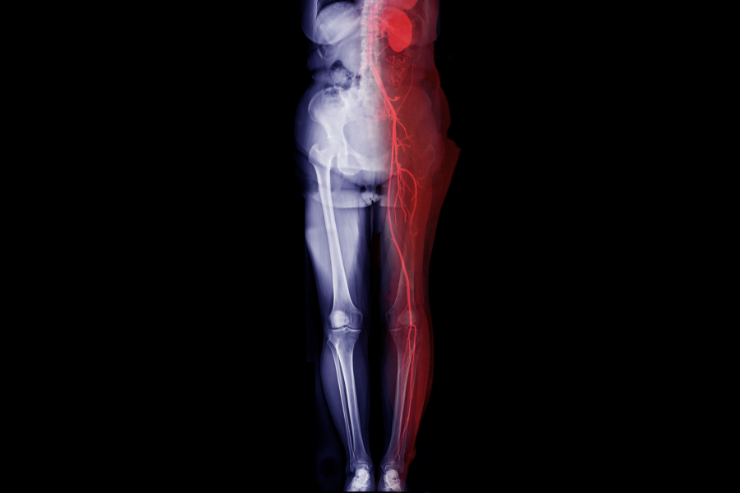
Peripheral Angiography
Peripheral Angiography is a diagnostic procedure that uses contrast dye and X-ray imaging to visualize the blood vessels in the arms and legs. It helps detect blockages, narrowing, or other abnormalities in the peripheral arteries. This procedure is crucial for diagnosing peripheral artery disease (PAD) and planning appropriate treatment to restore proper blood flow and alleviate symptoms.
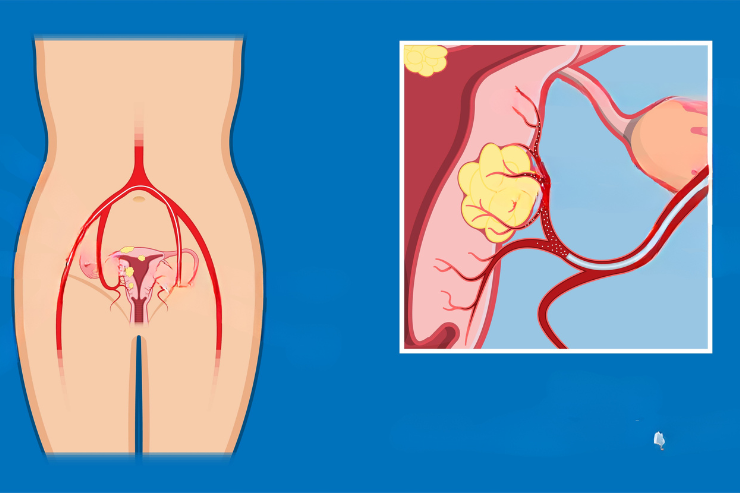
Uterine Artery Embolization
Uterine Artery Embolization is a minimally invasive procedure used to treat uterine fibroids. It involves injecting tiny particles into the uterine arteries to block blood flow to the fibroids, causing them to shrink. This procedure helps alleviate symptoms such as heavy bleeding, pain, and pressure, providing a less invasive alternative to surgery.
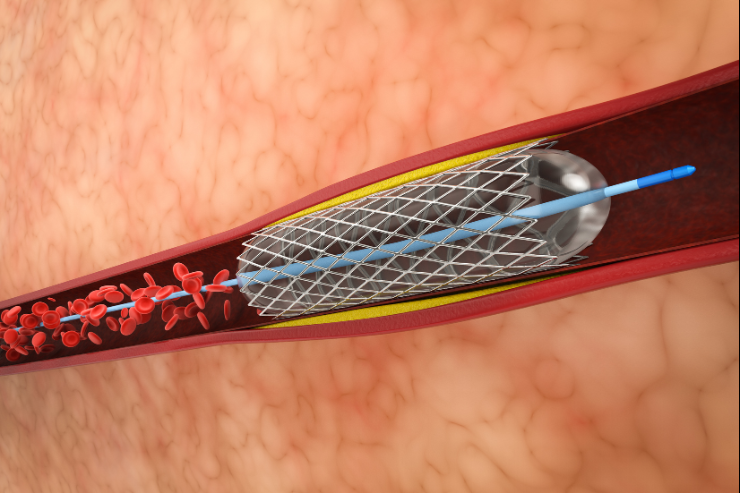
Peripheral Angioplasty
Peripheral Angioplasty is a minimally invasive procedure designed to treat blockages or narrowing in the peripheral arteries, typically in the legs. A balloon is inserted through a catheter and inflated at the site of the blockage to widen the artery and improve blood flow. This procedure helps alleviate symptoms of peripheral artery disease (PAD) and enhances mobility.
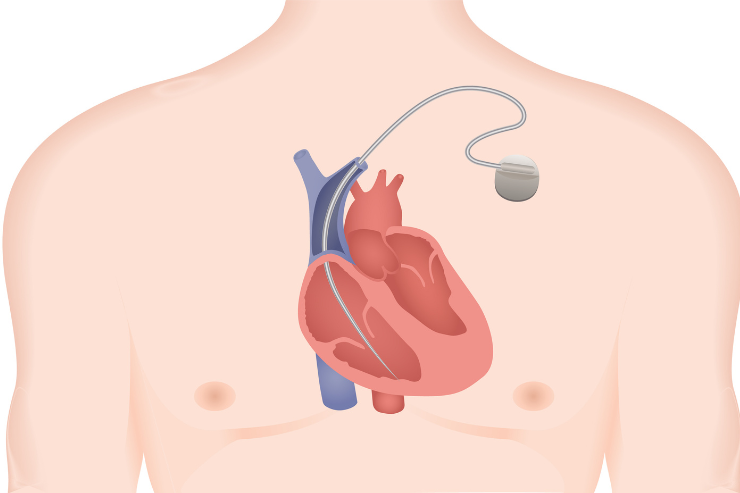
Cardiac Implantable Electronic Devices
Cardiac Implantable Electronic Devices (CIEDs) are advanced devices implanted to manage heart rhythm disorders. They include pacemakers to regulate slow heartbeats, Cardiac Resynchronization Therapy (CRT) to improve heart function, and Implantable Cardioverter-Defibrillators (ICDs) to prevent sudden cardiac arrest. CIEDs are crucial for maintaining proper heart rhythm and enhancing patient quality of life.