

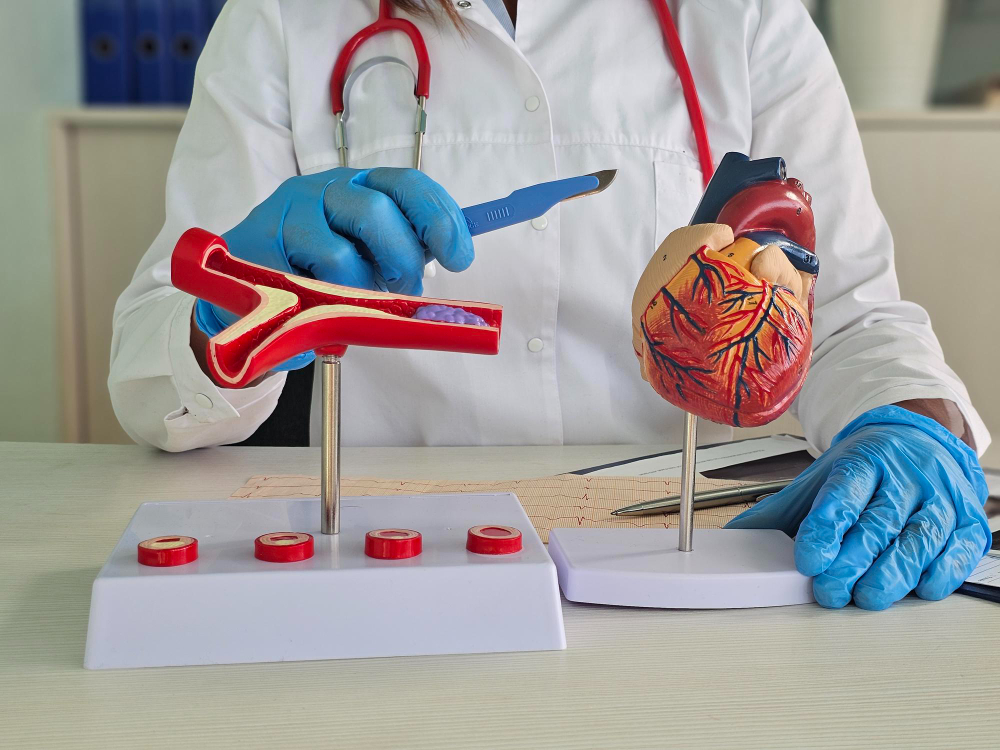
Introduction to Coronary Angioplasty
Coronary angioplasty is a common heart procedure. It helps open blocked or narrowed blood vessels in the heart. Many people want to know about the different types of coronary angioplasty. This guide explains each type in simple terms. You will also learn what to expect and how to recover well.
What Is Coronary Angioplasty?
Coronary angioplasty is a treatment for blocked heart arteries. Doctors use a thin tube called a catheter. They guide it to the blocked area. Then, they use special tools to open the artery. As a result, blood flows better to the heart muscle. This can help reduce chest pain and lower the risk of a heart attack.
Main Types of Coronary Angioplasty
There are several types of coronary angioplasty. Each type uses a different method to open the artery. Let’s look at the main types:
1. Balloon Angioplasty (PTCA)
Balloon angioplasty, also called PTCA, is the most basic type. In this procedure, doctors insert a small balloon at the blocked spot. Next, they inflate the balloon. This pushes the blockage aside and widens the artery. Sometimes, the artery may narrow again later.
2. Stent Angioplasty
Stent angioplasty uses a tiny wire mesh tube called a stent. After balloon angioplasty, doctors place the stent to keep the artery open. There are two main types of stents:
3. Rotational Atherectomy
Sometimes, the blockage is very hard or made of calcium. In these cases, doctors use a tiny rotating device. This device grinds away the hard plaque. Afterward, they may use a balloon or stent to keep the artery open.
4. Laser Angioplasty
Laser angioplasty uses a special light beam. The laser breaks up the blockage inside the artery. After this, doctors may use a balloon or stent to finish the job.
5. Cutting Balloon Angioplasty
This type uses a balloon with tiny blades. When the balloon inflates, the blades make small cuts in the blockage. This helps open the artery more easily. Afterward, a stent may be placed.
What to Expect During and After the Procedure
Before the procedure, doctors will explain the steps. You may get medicine to help you relax. The doctor will numb the area, usually in your wrist or groin. Then, they insert the catheter and guide it to your heart. Most procedures take one to two hours.
After the procedure, you will rest in a recovery area. Nurses will watch your heart and blood pressure. You may need to stay in the hospital overnight. Most people can go home the next day.
Recovery and Angioplasty Recovery Tips
Recovery from coronary angioplasty is usually quick. However, you should follow your doctor’s advice. Here are some helpful tips:
Most people return to normal activities within a week. But, always ask your doctor before resuming exercise or work.
Preventing Coronary Artery Disease
Even after angioplasty, it is important to keep your heart healthy. You can lower your risk of future blockages by making simple changes:
These steps can help prevent the need for more procedures in the future.
Summary
There are several types of coronary angioplasty. Each type has its own benefits and risks. Your doctor will choose the best option for your condition. Recovery is usually quick, but healthy habits are important for long-term heart health.
Consult a cardiologist to discuss which type of coronary angioplasty is best for your condition.
Sources: Centers for Disease Control and Prevention (CDC), World Health Organization (WHO), American Heart Association