

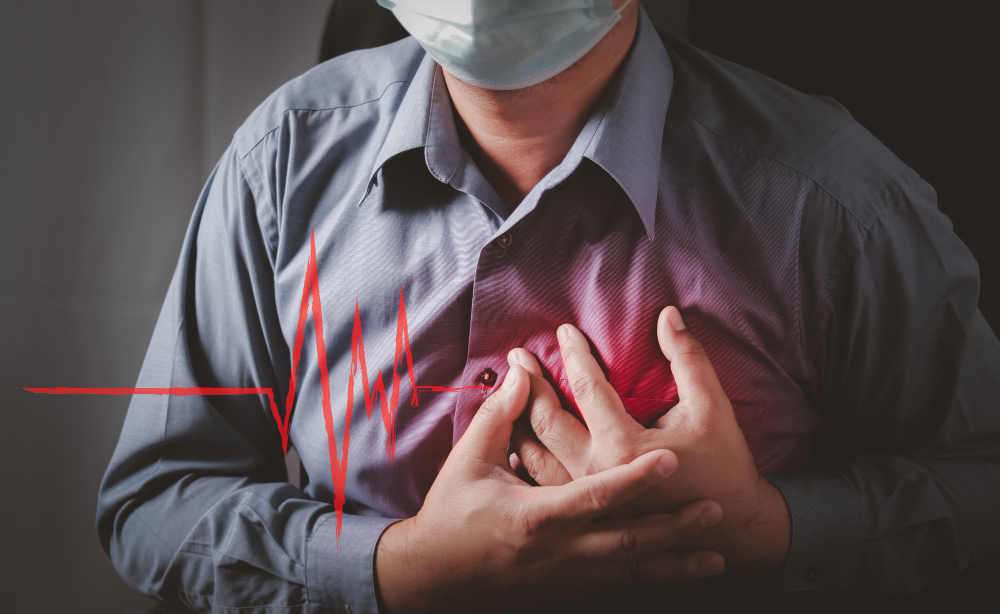
What is Heart Failure?
Heart failure is a condition where the heart cannot pump blood as well as it should. Because of this, the body may not get enough oxygen and nutrients. As a result, you may feel tired or short of breath. Heart failure can affect people of any age, but it is more common in older adults. Although it sounds scary, many people live well with proper care. Early detection and treatment can help improve quality of life.
Common Symptoms of Heart Failure
Heart failure symptoms can develop slowly or appear suddenly. For example, you may notice changes in your daily activities. Below are some common signs to watch for:
However, not everyone will have all these symptoms. If you notice any of them, it is important to talk to your doctor.
Main Causes and Risk Factors
There are several causes of heart failure. Most often, it happens because of other health problems that damage or weaken the heart. For instance, high blood pressure and heart attacks are leading causes. Other risk factors include:
Because these factors can add up, managing your health is key. Even so, some people develop heart failure without clear risk factors.
How Heart Failure is Diagnosed
If your doctor suspects heart failure, they will ask about your symptoms and medical history. Next, they will do a physical exam. After that, several tests may help confirm the diagnosis. Common tests include:
Because early diagnosis leads to better outcomes, do not delay if you have symptoms. For more details, ask your healthcare provider how heart failure is diagnosed in your area.
Treatment Options for Heart Failure
Heart failure treatment depends on the cause and severity. Usually, it includes a mix of lifestyle changes and medicines. In some cases, devices or surgery may help. Here are common treatment steps:
Because each person is different, your doctor will create a plan that fits your needs.
Prevention Tips and Lifestyle Guidance
Although not all cases can be prevented, you can lower your risk of heart failure. For example, healthy habits make a big difference. Try these tips:
Because prevention is easier than treatment, start making small changes today.
When to Seek Medical Help
Sometimes, heart failure symptoms can get worse quickly. If you notice sudden weight gain, severe shortness of breath, chest pain, or fainting, seek help right away. Even if your symptoms seem mild, it is wise to talk to your doctor. Early care can prevent serious problems. For ongoing concerns, keep a list of your symptoms and share them at each visit.
Conclusion
In summary, heart failure is a serious but manageable condition. With the right care, many people lead active lives. If you have symptoms or risk factors, do not wait. Consult a cardiologist for personalized advice on heart failure.