

What is Angioplasty?
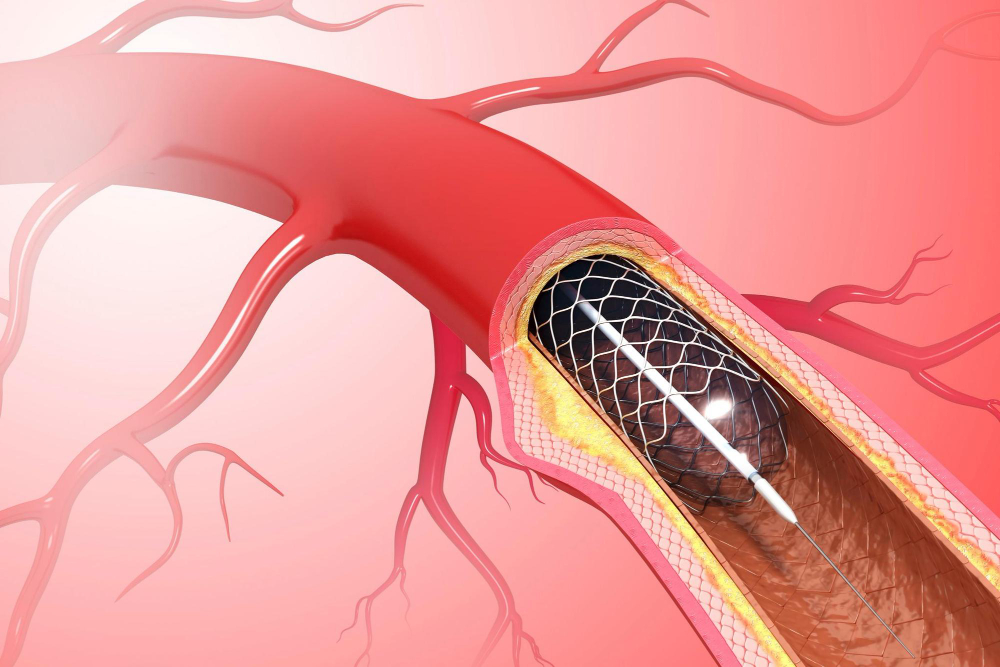
Angioplasty is a medical procedure that helps open blocked or narrowed blood vessels in the heart. Doctors use it to improve blood flow and reduce chest pain. Often, it is called a “balloon procedure” because a small balloon is used to widen the artery. Many people hear about angioplasty when they or a loved one have heart problems. Because it is common, understanding angioplasty can help you feel more prepared if you need it.
Symptoms and Conditions Treated by Angioplasty
Doctors recommend angioplasty for people with certain heart symptoms or conditions. For example, you may need angioplasty if you have:
Sometimes, people do not have symptoms. However, tests may show a blockage that needs treatment. In these cases, angioplasty can help prevent future heart problems.
Causes Leading to Angioplasty
Many factors can cause the need for angioplasty. Most often, it is due to a buildup of fatty deposits, called plaque, inside the arteries. Over time, this buildup narrows the arteries and slows blood flow. As a result, the heart does not get enough oxygen. Common causes include:
Because these factors increase risk, managing them can help prevent the need for angioplasty.
How is Angioplasty Performed? (Procedure Overview)
Doctors perform angioplasty in a hospital. First, they give you medicine to help you relax. Next, they numb the area, usually in your wrist or groin. Then, a thin tube called a catheter is inserted into a blood vessel. Using X-ray images, the doctor guides the catheter to the blocked artery. Once in place, a small balloon at the tip inflates to push the plaque aside. Sometimes, a tiny wire mesh tube called a stent is placed to keep the artery open. Afterward, the balloon is removed, but the stent stays in place. Most people stay awake during the angioplasty procedure, but you will not feel pain.
Diagnosis and Candidacy for Angioplasty
Not everyone needs angioplasty. Doctors use several tests to decide if it is right for you. For example, you may have:
Based on these results, your doctor will discuss if angioplasty is the best option. Sometimes, other treatments like medicine or surgery may be better.
Benefits and Risks of Angioplasty
Angioplasty offers many benefits. For instance, it can:
However, like any procedure, there are some risks. These may include:
Although risks exist, most people have a safe and successful angioplasty. Your doctor will explain your personal risks and benefits.
Recovery and Aftercare Tips
After angioplasty, recovery is usually quick. Most people go home within a day. However, you should follow your doctor’s advice for the best heart angioplasty recovery. Here are some tips:
Because everyone heals differently, always ask your doctor if you have questions about your recovery.
Prevention and Heart Health Guidance
Even after a successful angioplasty, it is important to care for your heart. For example, you can:
Because heart health is a lifelong journey, these steps can help prevent future problems and keep your arteries clear.
In summary, angioplasty is a safe and effective way to treat blocked heart arteries. However, it is important to follow your doctor’s advice for the best results. Consult a cardiologist for personalized advice about angioplasty.