

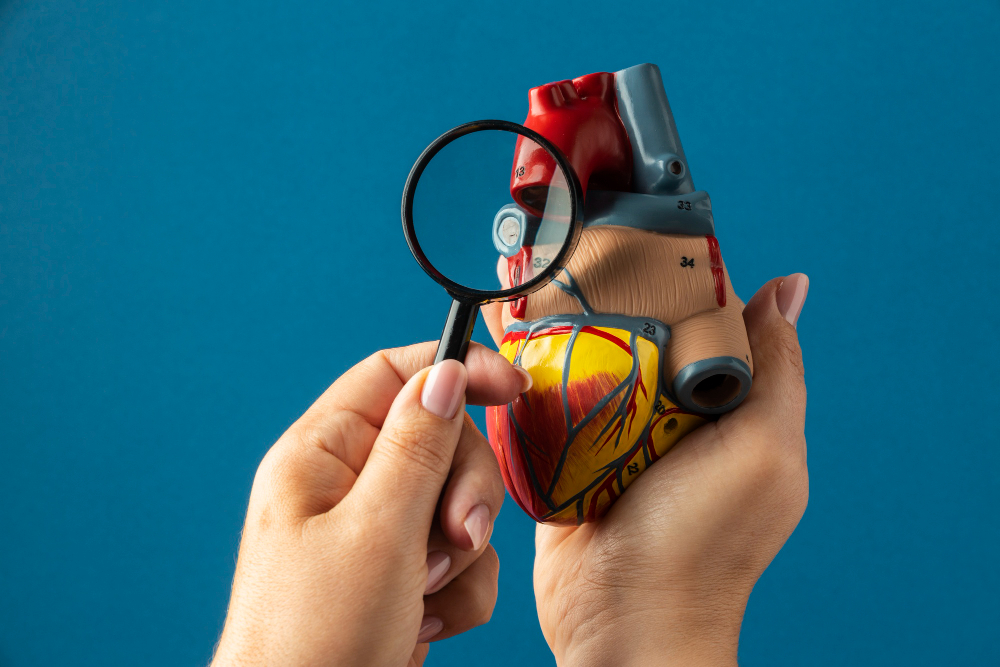
Heart blockage is a serious health issue. Sometimes, it can happen without any warning signs. This is why many people do not know they have a problem until it is too late. Heart blockage without symptoms is more common than you might think. Because of this, timely heart checkups are very important for everyone. Early detection can save lives and help you stay healthy.
What Is Heart Blockage?
Heart blockage happens when blood vessels that supply the heart become narrow or blocked. These vessels are called arteries. When they get blocked, blood cannot flow easily to the heart muscle. As a result, the heart does not get enough oxygen. This can lead to chest pain, heart attacks, or other heart problems. However, not all blockages cause pain or discomfort right away.
Can Heart Blockage Happen Without Symptoms?
Yes, heart blockage can develop without any clear symptoms. In fact, many people have what doctors call “silent” or asymptomatic heart disease. For example, you might feel fine and still have a blockage. Sometimes, the body finds new ways to send blood to the heart, so you do not notice any problems. But over time, the blockage can get worse. Eventually, it may cause a heart attack or other serious issues.
Why Are Timely Heart Checkups Important?
Because heart blockage can be silent, regular heart health checkups are vital. Early detection helps doctors find problems before they become dangerous. In addition, checkups can spot risk factors like high blood pressure or high cholesterol. If you live in a city with busy lifestyles, such as New York or Mumbai, regular checkups are even more important. Many people in these areas have risk factors for heart disease.
How Is Heart Blockage Diagnosed?
Doctors use several tests to find heart blockage. First, they may ask about your health history and risk factors. Next, they might do a physical exam. After that, they can order tests such as:
With these tests, doctors can find blockages even if you have no symptoms. According to the CDC, early diagnosis leads to better outcomes.
Prevention and Lifestyle Tips
Even if you feel healthy, you can take steps to prevent heart blockage. For instance, making small changes can have a big impact. Here are some tips:
Additionally, following these tips can lower your risk of silent heart disease.
When to Consult a Cardiologist
It is wise to see a heart doctor, or cardiologist, if you have risk factors. For example, if you have diabetes, high blood pressure, or a family history of heart disease, do not wait for symptoms. Also, if you feel chest pain, shortness of breath, or unusual tiredness, seek help right away. Even without symptoms, regular visits can help keep your heart healthy.
In summary, heart blockage without symptoms is possible and can be dangerous. Therefore, timely heart checkups are key to staying safe. Consult a cardiologist for personalized heart health advice.