

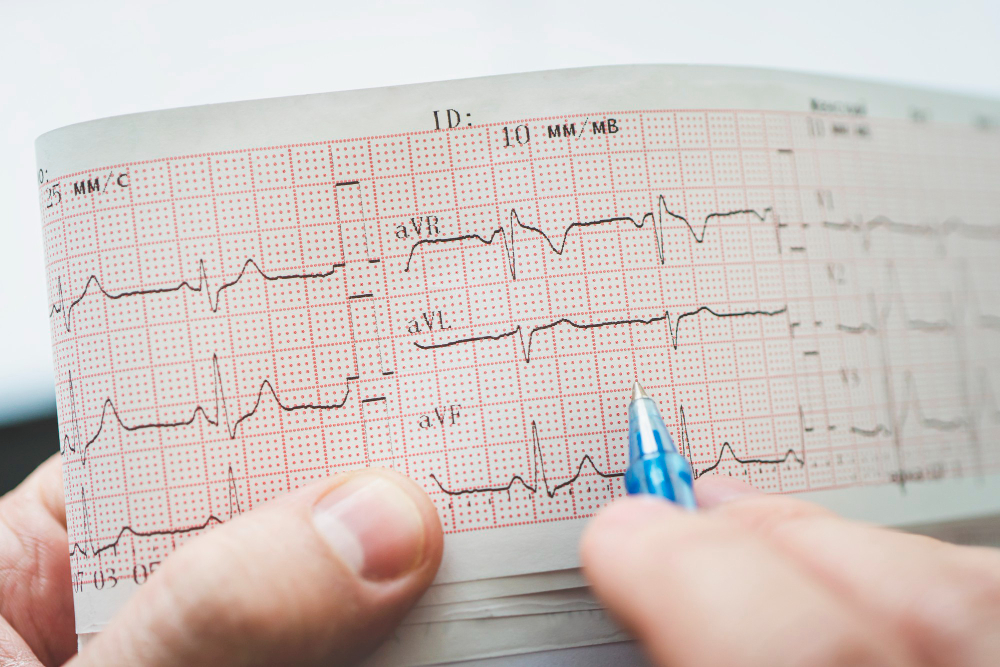
What is an Electrocardiogram?
An electrocardiogram, often called an ECG or EKG, is a simple test. It checks the electrical activity of your heart. Doctors use it to see how your heart is working. Because it is quick and painless, many people have this test during a regular checkup. An electrocardiogram can help spot heart problems early. As a result, it plays a key role in keeping your heart healthy.
Why is an Electrocardiogram Done?
Doctors order an electrocardiogram for many reasons. Sometimes, you may have chest pain or feel your heart beating fast. In other cases, you might have shortness of breath or feel dizzy. An ECG test can help find the cause. It also checks for heart rhythm problems, called arrhythmias. In addition, it can show if your heart is getting enough oxygen. For people with heart disease, regular ECGs help track changes over time.
How is an Electrocardiogram Performed?
Getting an electrocardiogram is easy and safe. First, you will lie down on a table. Next, a nurse or technician will place small, sticky patches called electrodes on your chest, arms, and legs. These patches connect to the ECG machine with wires. Then, you need to stay still and breathe normally. The machine records your heart’s activity for a few seconds. After that, the test is done. You can return to your normal activities right away.
Common Reasons for an Electrocardiogram
Doctors may suggest an ECG test for several reasons. For example, you may need one if you:
In many clinics, ECG tests are part of routine heart health checks.
Understanding Electrocardiogram Results
After the test, a doctor reviews your ECG results. The test shows the heart’s rhythm and rate. It also shows if the heart is getting enough oxygen. Sometimes, the results can show signs of a past heart attack. If there are changes, your doctor may order more tests. However, a normal ECG does not always mean your heart is healthy. Some problems may not show up during the test. For this reason, your doctor will look at your symptoms and medical history too.
Risks and Safety of Electrocardiogram
Most people have no problems with an electrocardiogram. The test is safe and does not hurt. The electrodes only record signals; they do not send electricity into your body. Rarely, the sticky patches may cause mild skin irritation. But this goes away quickly. Because the test is non-invasive, there are no serious risks.
Frequently Asked Questions about Electrocardiograms
Tips for Preparing for an Electrocardiogram
Although the test is simple, a few tips can help. First, wear loose, comfortable clothing. This makes it easier to place the electrodes. Next, avoid using lotions or oils on your skin before the test. These can make it hard for the patches to stick. If you have chest hair, you may need to shave small areas. Finally, bring a list of your medicines to your appointment. This helps your doctor understand your results better.
In summary, an electrocardiogram is a quick and safe way to check your heart. If you have questions or concerns about your heart health, consult a healthcare professional for personalized advice about electrocardiograms.