

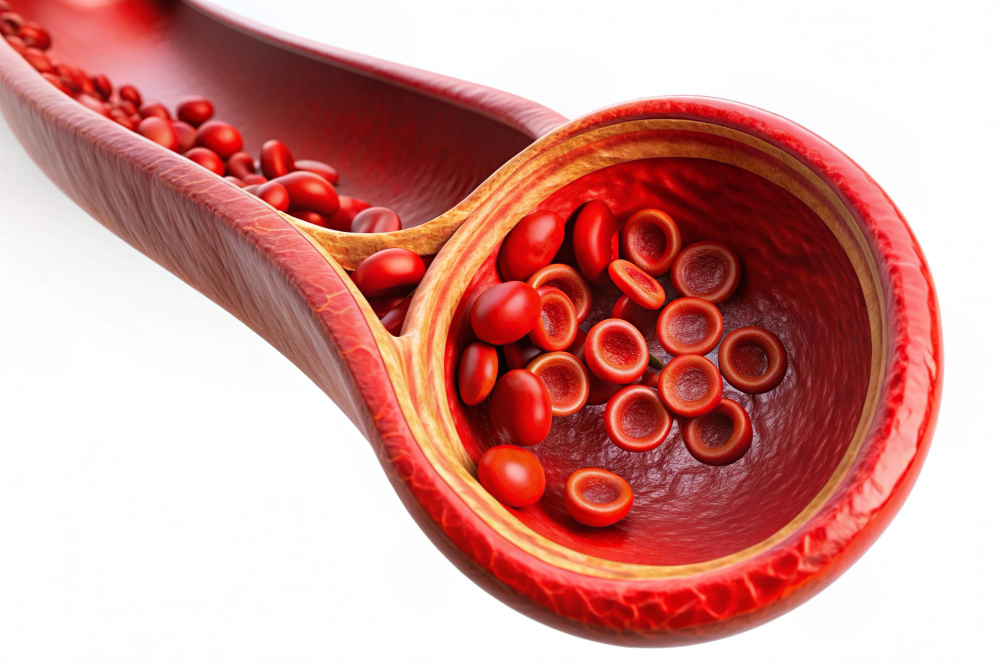
What Are Blood Clots in Arteries?
Blood clots in arteries can block the flow of blood to important organs. These clots are called arterial clots. When they form, they may lead to serious problems like heart attacks or strokes. In the United States, many people face this risk each year. Because of this, knowing about arterial blood clot causes is important for everyone.
Main Causes of Blood Clots in Arteries
Several risk factors can increase your chance of getting a blood clot in an artery. While some risks can be changed, others cannot. Here are the main causes:
How Blood Clots Form in Arteries
Normally, blood flows smoothly through arteries. However, when the artery wall is damaged, the body tries to repair it. Platelets, which are small blood cells, stick to the damaged area. Next, they clump together and form a plug. If this plug grows too large, it can block the artery. This is how most arterial blood clots form.
Symptoms to Watch For
Blood clots in arteries can cause sudden and serious symptoms. Because quick action is important, watch for these signs:
If you notice any of these symptoms, seek help right away.
Prevention Tips and Lifestyle Guidance
Although some risk factors cannot be changed, many can. Here are steps you can take to help prevent arterial clots:
For example, the CDC recommends at least 150 minutes of moderate exercise each week. Even small changes can make a big difference over time.
When to Seek Medical Help
If you have any symptoms of a blood clot, do not wait. Call emergency services or go to the nearest hospital. Early treatment can save your life. Even if you are unsure, it is better to be safe and get checked by a doctor.
In summary, understanding the causes of blood clots in arteries helps you lower your risk. For personalized advice on preventing arterial blood clots, consult a cardiologist.