

What Are Blocked Heart Arteries?
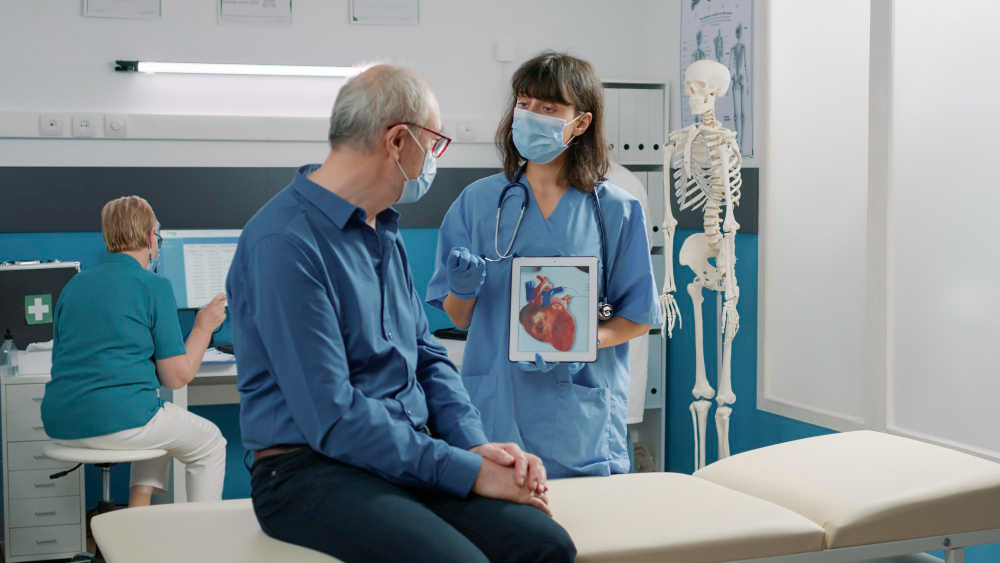
Blocked heart arteries happen when blood vessels that supply the heart become narrow or clogged. This condition is also called coronary artery disease. Usually, fatty deposits build up inside the arteries. As a result, blood flow to the heart muscle slows down or stops. This can cause chest pain, shortness of breath, or even a heart attack. Many people worry about heart artery blockage symptoms. Thankfully, doctors use special tests and treatments like angiography and angioplasty to help manage this problem.
Symptoms and Causes of Blocked Arteries
Often, blocked arteries do not cause symptoms at first. However, as the blockage grows, you may notice signs. For example, you might feel chest pain or discomfort, especially during activity. Other symptoms include:
But what causes these blockages? Most often, it is due to a buildup of cholesterol and fat. This buildup is called plaque. Over time, plaque hardens and narrows the arteries. In addition, risk factors include:
According to the World Health Organization (WHO), heart disease is the leading cause of death worldwide. Therefore, knowing the symptoms and causes is important for early treatment.
How Is a Blocked Artery Diagnosed? (Focus on Angiography)
Doctors use several tests to find blocked arteries. However, one of the most common is angiography. Angiography is a special X-ray test. During the angiography procedure, a thin tube called a catheter is placed into a blood vessel, usually in the arm or groin. Then, a dye is injected through the catheter. This dye makes the arteries visible on X-ray images. As a result, doctors can see where the blockage is and how severe it is.
Angiography is safe and gives clear pictures of the heart’s blood vessels. It helps doctors decide the best treatment for blocked arteries. Sometimes, other tests like ECG or stress tests are used first. But angiography gives the most detailed view.
What Is Angioplasty? (Procedure, Benefits, and Risks)
Once a blockage is found, doctors may suggest angioplasty. Angioplasty is a treatment for blocked arteries. During this procedure, a small balloon is attached to the tip of a catheter. The doctor guides the catheter to the blocked area. Then, the balloon is gently inflated. This opens up the artery and improves blood flow. Often, a tiny mesh tube called a stent is placed to keep the artery open.
There are many angioplasty benefits. For example:
However, as with any procedure, there are some risks. These may include bleeding, infection, or a reaction to the dye. Rarely, the artery may become blocked again. Still, angioplasty is safe for most people and helps many patients feel better fast.
Lifestyle Tips After Angioplasty
After angioplasty, it is important to take care of your heart. Therefore, doctors often suggest lifestyle changes. These tips can help keep your arteries healthy:
With these steps, you can lower your risk of future blockages. In addition, regular check-ups with your heart specialist are important.
Prevention of Heart Artery Blockage
Preventing blocked arteries is possible. First, know your risk factors. For example, check your blood pressure, cholesterol, and blood sugar regularly. Next, follow a heart-healthy diet and stay active. If you smoke, quitting can greatly reduce your risk. Also, maintain a healthy weight. According to the CDC, these steps can lower your chances of heart disease.
By making these changes, you can protect your heart and improve your quality of life.
Conclusion
Blocked heart arteries can be serious, but early diagnosis and treatment help. Angiography and angioplasty are safe and effective options. However, lifestyle changes are also key to long-term health. Consult a heart specialist for personalized advice on blocked arteries and treatment options.