

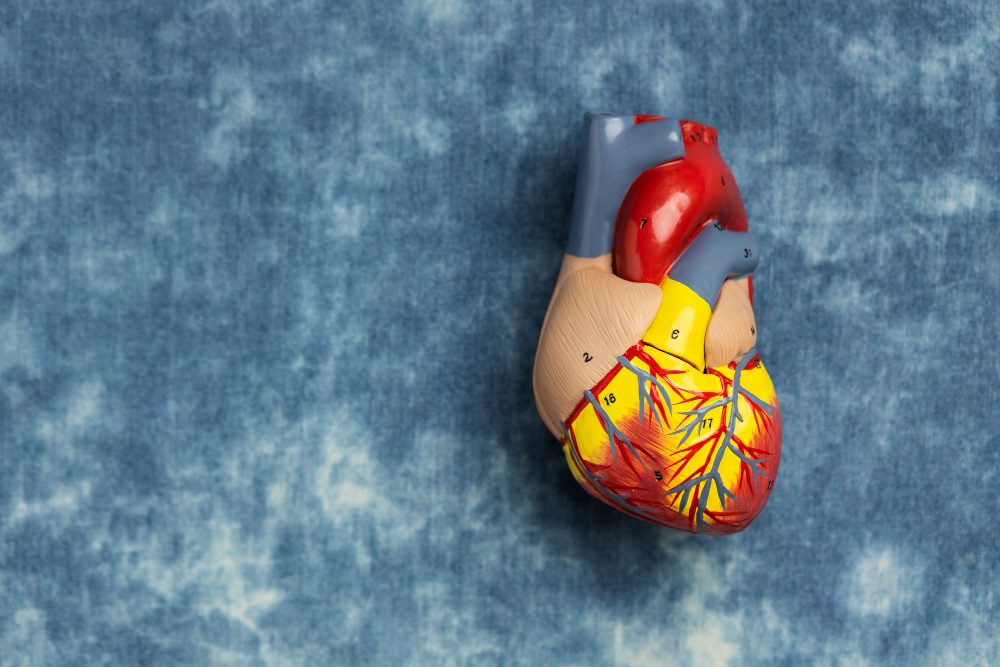
What Is an Aortic Aneurysm?
An aortic aneurysm is a bulge or swelling in the wall of the aorta. The aorta is the main blood vessel that carries blood from your heart to the rest of your body. Often, this condition develops slowly and may not cause symptoms at first. However, if the aneurysm grows large, it can become dangerous. In some cases, it may burst, which is called an aortic rupture. This can be life-threatening. Because of this, understanding aortic aneurysm is important for heart health, both in the United States and worldwide.
Common Symptoms and Warning Signs
Many people with an aortic aneurysm do not notice any symptoms. Still, some warning signs can appear, especially if the aneurysm gets bigger or starts to leak. For example, you may feel pain or discomfort. Below are some common symptoms:
However, not everyone will have these signs. Therefore, regular check-ups are important, especially if you have risk factors.
Causes and Risk Factors
Several things can cause an aortic aneurysm. Most often, it happens because the wall of the aorta becomes weak. Over time, this weakness can lead to a bulge. Some common risk factors include:
Additionally, men are more likely to develop aortic aneurysms than women. But women can still be at risk, especially as they age.
How Aortic Aneurysms Are Diagnosed
Doctors use several tests to find an aortic aneurysm. Often, they discover it during a check-up for another problem. For instance, an ultrasound or CT scan can show the size and location of the bulge. Sometimes, a chest X-ray or MRI is used. Early diagnosis is key to preventing serious problems like aortic rupture. Because symptoms are often silent, regular screening is important for those with risk factors.
Treatment Options
Treatment for an aortic aneurysm depends on its size and location. If the aneurysm is small, your doctor may suggest regular monitoring. This means you will have check-ups and scans to watch for changes. However, if the aneurysm is large or growing quickly, surgery may be needed. There are two main types of surgery:
Additionally, doctors may prescribe medicine to lower blood pressure and reduce stress on the aorta. Always follow your doctor’s advice for the best results.
Lifestyle Tips for Heart Health
Even though some risk factors cannot be changed, healthy habits can lower your risk. For example, you can:
Moreover, regular check-ups help catch problems early. Small changes can make a big difference for your heart health.
Prevention and Early Detection
Preventing an aortic aneurysm starts with knowing your risk. If you have a family history or other risk factors, talk to your doctor. Screening tests, such as ultrasound, can find aneurysms before they cause trouble. In the United States, guidelines suggest men over 65 who have smoked should get screened. Early detection saves lives by allowing treatment before a rupture happens.
When to See a Doctor
If you notice sudden chest, back, or belly pain, seek help right away. These could be signs of a serious problem. Also, if you have risk factors for aortic aneurysm, schedule regular check-ups. Your doctor can guide you on screening and prevention. Remember, early action is the best way to protect your heart health.
For personalized advice about aortic aneurysm risks and heart health, consult a cardiologist.