

Introduction
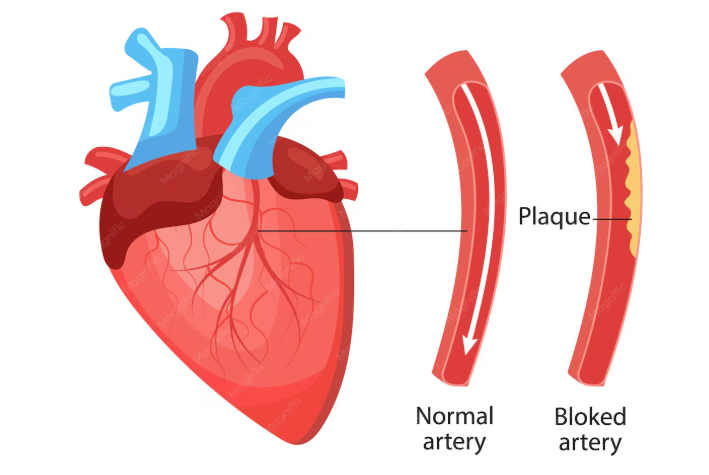
Coronary artery disease is a common heart problem. It happens when blood vessels that supply the heart become narrow or blocked. Because of this, the heart gets less oxygen-rich blood. Over time, this can lead to chest pain, heart attacks, or other serious issues. According to the World Health Organization, heart disease is a leading cause of death worldwide. Therefore, knowing about coronary artery disease is important for everyone.
Symptoms
Often, coronary artery disease develops slowly. Many people may not notice symptoms at first. However, as the disease worsens, signs can appear. Early detection can help prevent serious problems. Common heart disease symptoms include:
Sometimes, symptoms are mild or mistaken for other issues. For this reason, it is important to pay attention to any new or unusual feelings.
Causes and Risk Factors
Coronary artery disease usually starts with a process called atherosclerosis. This means fatty deposits build up inside the arteries. As a result, blood flow to the heart is reduced. Several factors can increase your risk, including:
Because many of these risks can be managed, making healthy choices is key.
Diagnosis
Doctors use several tests to diagnose coronary artery disease. Early diagnosis can help prevent complications. Common CAD diagnosis methods include:
After these tests, your doctor can suggest the best treatment plan.
Treatment Options
Treatment for coronary artery disease depends on how severe it is. Often, a mix of lifestyle changes and medicine is used. In some cases, procedures or surgery may be needed. Common treatments include:
Because each person is different, your doctor will choose the best option for you.
Lifestyle Guidance
Healthy habits can make a big difference. Even small changes can help your heart. For example, you can:
With support from family and friends, these steps become easier.
Prevention Tips
Preventing heart disease is possible for many people. While some risks cannot be changed, others can. To help prevent coronary artery disease, try these tips:
Because prevention is easier than treatment, start healthy habits early.
When to See a Doctor
Sometimes, symptoms can be mild or confusing. However, you should see a doctor if you notice:
Early medical care can save lives. Therefore, do not wait if you have concerns about your heart.
Consult a heart specialist for personalized advice and early detection.