

Introduction
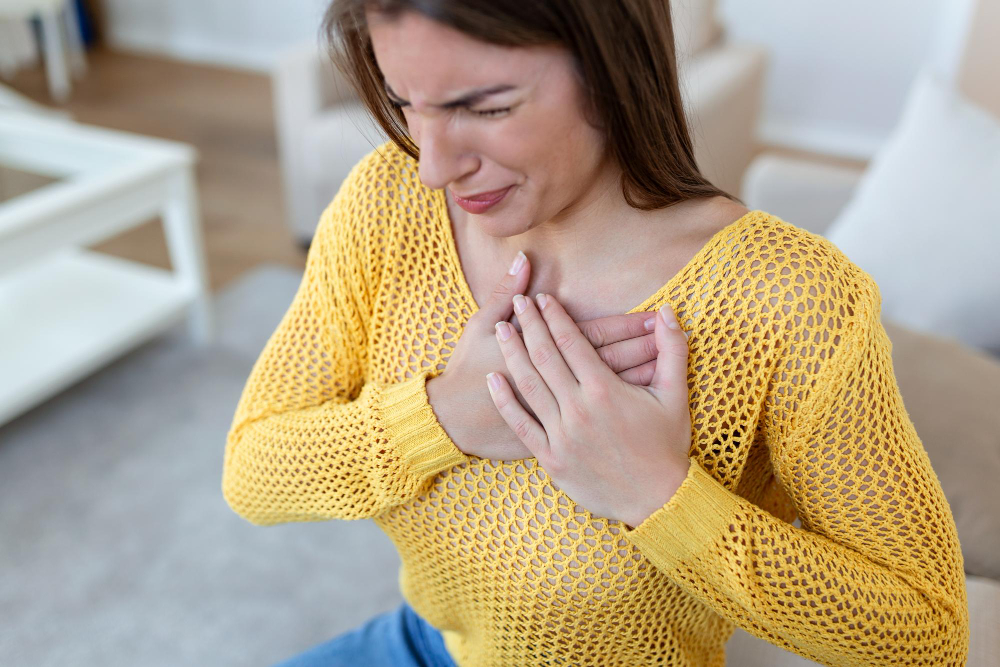
Heart disease is the leading cause of death for women worldwide. Many people think it mostly affects men, but women face unique risks. In fact, women and heart disease is a topic that needs more attention. Because symptoms can be different in women, it is important to know what to watch for. Early awareness can help save lives. Let’s explore what makes heart disease different for women and how you can protect your heart.
What Makes Heart Disease Different in Women?
Although heart disease affects both men and women, it often looks different in women. For example, women may develop heart disease later in life than men. Also, women’s symptoms can be less obvious. Sometimes, women do not feel the classic chest pain. Instead, they may feel tired or short of breath. Because of these differences, heart disease in women is sometimes missed or treated late.
Common Symptoms of Heart Disease in Women
Women’s heart disease symptoms can be subtle. However, knowing the signs can help you act quickly. Here are common symptoms:
Sometimes, these symptoms appear during rest or sleep. Therefore, it is important to pay attention to any changes in your body.
Unique Risk Factors for Women
Some risk factors are unique to women. For instance, pregnancy-related problems can increase heart disease risk. Here are some special risks for women:
Additionally, stress and depression affect women’s hearts more than men’s. Because of these unique risks, women should talk to their doctor about their heart health.
How Heart Disease is Diagnosed in Women
Doctors use several tests to diagnose heart disease in women. However, some tests may not work as well for women. For example, women may have smaller arteries, which can make blockages harder to spot. Here are common tests:
Because women’s symptoms can be different, doctors may use more than one test. Early diagnosis is key to better outcomes.
Prevention Tips for Women
Preventing heart disease is possible. Even small changes can make a big difference. Here are some tips for women’s heart health:
Because prevention is easier than treatment, start healthy habits early.
Treatment Options for Women with Heart Disease
Treatment for heart disease in women may include several steps. Doctors often use a mix of medicine and lifestyle changes. Sometimes, surgery or special procedures are needed. Here are common treatments:
Because each woman is different, your doctor will create a plan that fits your needs.
Lifestyle Changes to Lower Your Risk
Healthy habits can lower your risk of heart disease. For example, eating less salt can help control blood pressure. Here are some simple changes:
Because small steps add up, start with one change and build from there.
In summary, women and heart disease is a serious issue, but you can take action. Know your risks, watch for symptoms, and make healthy choices. Consult a heart specialist for personalized advice on women’s heart health.