

Introduction
Many people do not realize how closely sleep and heart health are linked. In fact, research shows that good sleep is vital for a healthy heart. When you understand the hidden connection between sleep and heart health, you can take steps to protect yourself. For people in the US and around the world, learning about this link can help prevent heart disease and improve overall well-being.
The Science Behind Sleep and Heart Health
First, it is important to know how sleep affects the heart. During sleep, your body repairs itself. Your heart rate and blood pressure drop, giving your heart a break. According to the CDC, adults need at least seven hours of sleep each night. When you get enough rest, your heart works better. In addition, sleep helps control stress hormones and keeps your blood vessels healthy. Because of this, sleep and cardiovascular health are deeply connected.
How Poor Sleep Affects the Heart
However, poor sleep can harm your heart in many ways. If you do not sleep well, your blood pressure may stay high. Over time, this can damage your heart and blood vessels. Also, lack of sleep raises stress hormones, which can lead to heart problems. For example, people who sleep less than six hours a night have a higher risk of heart disease. In short, poor sleep makes it harder for your heart to stay healthy.
Common Sleep Disorders Linked to Heart Disease
Several sleep disorders can increase your heart risk. Some of the most common include:
Because these sleep disorders and heart risk are connected, it is important to seek help if you notice symptoms.
Warning Signs and Symptoms to Watch For
It is important to know the warning signs of poor sleep and heart trouble. Watch for these symptoms:
If you notice any of these signs, talk to your doctor. Early action can help prevent heart disease with better sleep.
Diagnosis: How Doctors Assess Sleep and Heart Health
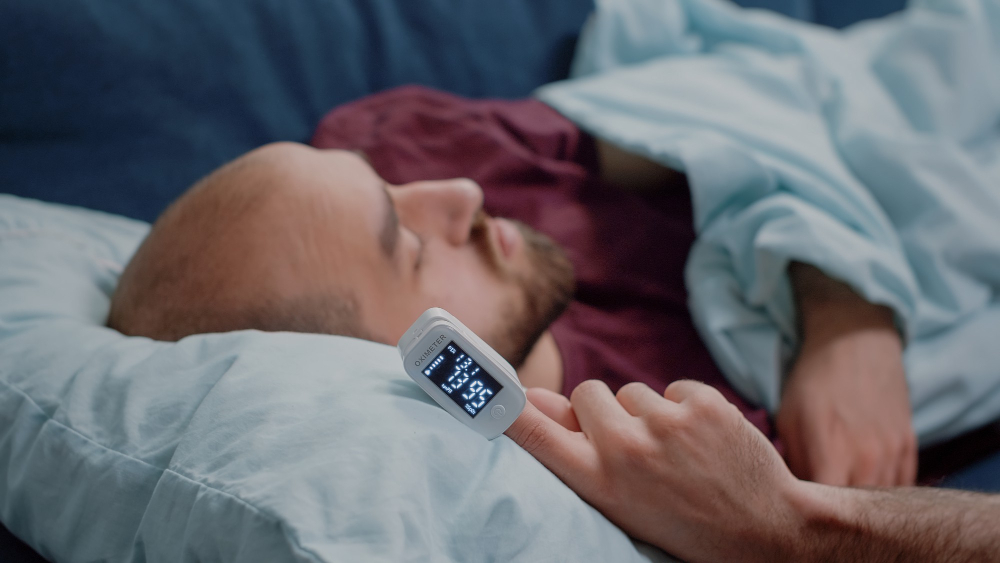
Doctors use several tools to check your sleep and heart health. For example, they may ask about your sleep habits and symptoms. Sometimes, they use sleep studies to watch your breathing and heart rate at night. In addition, blood tests and heart checks can show if your heart is at risk. Because early diagnosis is key, do not wait to seek help if you have concerns.
Treatment and Lifestyle Tips for Better Sleep and Heart Care
Thankfully, there are many ways to improve your sleep and protect your heart. Here are some tips:
With these steps, you can support both your sleep and cardiovascular health.
Prevention: Steps to Protect Your Heart Through Better Sleep
Preventing heart disease with better sleep is possible. For best results, try these steps:
Because prevention is easier than treatment, start making changes today.
Conclusion
In summary, sleep and heart health are closely linked. Poor sleep can raise your risk of heart disease, but good sleep can protect your heart. If you have concerns about your sleep or heart, do not wait. Consult a cardiologist or sleep specialist for personalized advice on improving your sleep and heart health.