

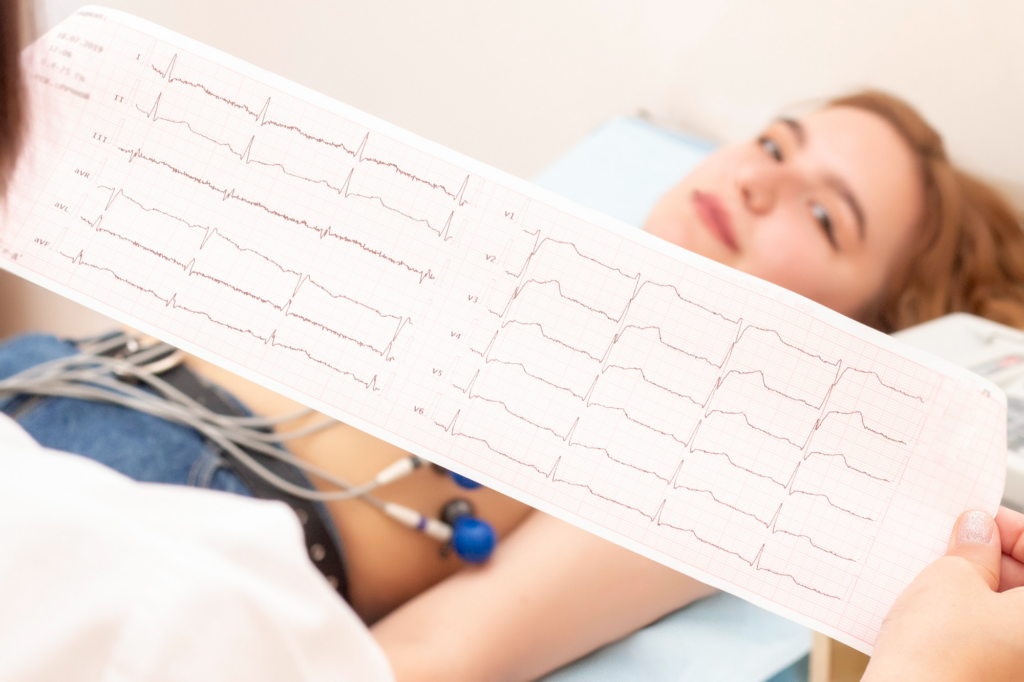
What is Arrhythmia?
Arrhythmia means your heart beats in an irregular way. Sometimes, your heart may beat too fast, too slow, or skip beats. This condition is also called an irregular heartbeat. Arrhythmia risk factors can make this problem more likely. While some arrhythmias are harmless, others can be serious. Therefore, knowing about arrhythmia is important for your heart health.
Why Understanding Risk Factors Matters
Knowing the risk factors for arrhythmia helps you take steps to protect your heart. For example, you can change some habits to lower your risk. In many cases, early action can prevent problems. According to the Centers for Disease Control and Prevention (CDC), millions of people live with heart rhythm disorders. So, learning about causes of irregular heartbeat is helpful for everyone.
Common Risk Factors for Arrhythmia
Age and Genetics
As people get older, their risk for arrhythmia increases. Age can change the heart’s structure and function. Also, family history matters. If your parents or siblings have arrhythmia, you may have a higher risk. In some cases, genetic conditions can affect your heart’s rhythm.
Heart Disease and Related Conditions
Many heart problems can lead to arrhythmia. These include:
Because these conditions change how the heart works, they increase the risk of irregular heartbeat.
Lifestyle Factors
Your daily habits can also affect your heart rhythm. Some common lifestyle risk factors are:
However, making healthy choices can lower your risk.
Medications and Substance Use
Certain medicines and substances can lead to arrhythmia. For example, some cold medicines, diet pills, and illegal drugs can affect your heart’s rhythm. In addition, using stimulants or some prescription drugs without a doctor’s advice can be risky. Always talk to your doctor about your medications.
Other Medical Conditions
Some health problems outside the heart can also cause arrhythmia. These include:
Because these conditions affect the body’s balance, they can disturb your heart rhythm.
Prevention and Lifestyle Tips
Although you cannot change some risk factors, you can control many others. Here are some tips for preventing arrhythmia:
With these steps, you can lower your risk of heart rhythm disorders.
When to See a Doctor
If you notice symptoms like a racing heart, skipped beats, dizziness, or chest pain, seek medical help. Sometimes, arrhythmia can be a sign of a serious problem. Early treatment can prevent complications. If you have risk factors for arrhythmia, regular check-ups with a cardiologist are important. In summary, staying alert to changes in your heartbeat can protect your health.
If you have concerns about your heart rhythm or risk factors, consult a cardiologist for personalized advice.