

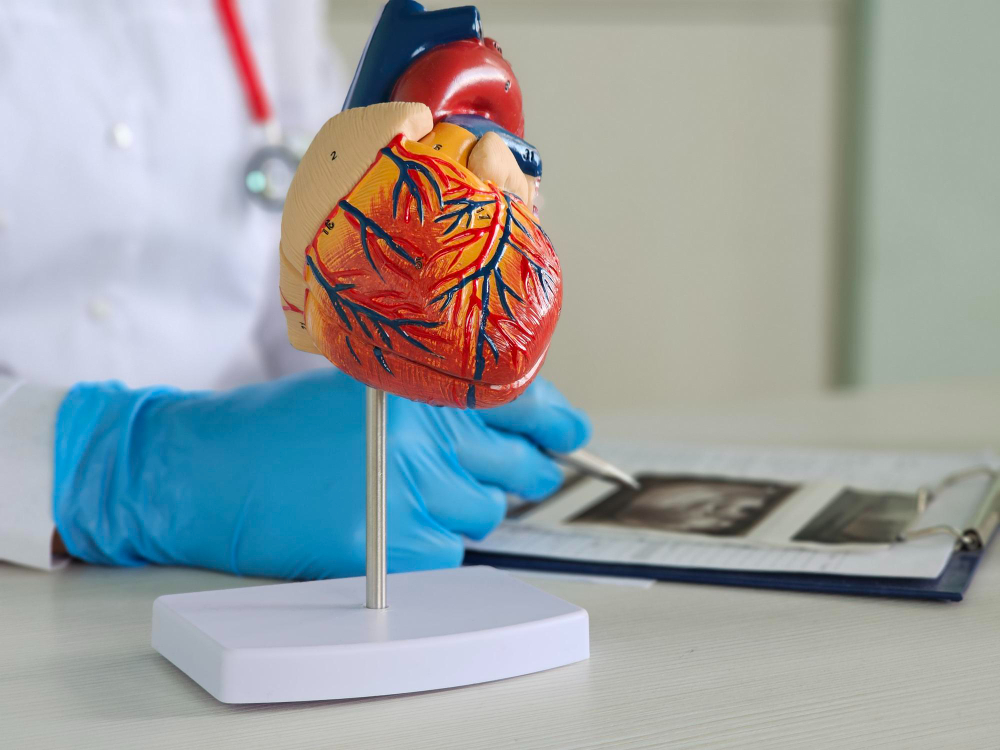
What is Left Ventricular Hypertrophy?
Left ventricular hypertrophy, or LVH, means the muscle wall of your heart’s left lower chamber becomes thick. This thickening can make it harder for your heart to pump blood. As a result, your heart may work less efficiently. Over time, LVH can increase the risk of heart problems. According to the American Heart Association, LVH is often linked to high blood pressure. However, it can also occur for other reasons. Early detection is important for better health outcomes.
Common Causes of Left Ventricular Hypertrophy
Many factors can lead to left ventricular hypertrophy. Often, these causes put extra strain on your heart. For example, high blood pressure is a leading cause. But there are other reasons as well. Here are some common causes of left ventricular hypertrophy:
Because these factors can add stress to your heart, it is important to manage them early. The CDC recommends regular check-ups to help catch these issues before they cause LVH.
Recognizing Symptoms of LVH
Sometimes, left ventricular hypertrophy does not cause any symptoms. Yet, some people may notice changes. For instance, you might feel tired more easily. Or, you could have chest pain. Below are common LVH symptoms to watch for:
However, these symptoms can also be signs of other heart problems. Therefore, it is wise to see a doctor if you notice them.
How is Left Ventricular Hypertrophy Diagnosed?
Doctors use several tests to diagnose LVH. First, they may ask about your symptoms and medical history. Next, they will perform a physical exam. After that, they may order tests to check your heart. Common tests for diagnosis of LVH include:
Because early diagnosis can prevent complications, regular heart check-ups are important. The World Health Organization also recommends routine screening for people at risk.
Treatment Options for Left Ventricular Hypertrophy
Treatment for left ventricular hypertrophy depends on the cause. Often, doctors focus on lowering blood pressure. But they may also treat other heart conditions. Here are common treatment options for LVH:
In some cases, surgery may be needed. However, most people improve with medicine and lifestyle changes. Always follow your doctor’s advice for the best results.
Lifestyle Tips and Prevention
Healthy habits can help prevent heart muscle thickening. Even small changes can make a big difference. For example, eating less salt can help lower blood pressure. Here are some tips for preventing left ventricular hypertrophy:
Because prevention is easier than treatment, start these habits early. The CDC notes that controlling blood pressure is key to preventing LVH.
When to See a Cardiologist
If you have symptoms of LVH or risk factors, it is important to see a heart doctor. For example, if you have high blood pressure or a family history of heart disease, regular check-ups are wise. Additionally, if you notice chest pain, shortness of breath, or fainting, seek medical help right away. Early care can prevent serious problems.
In summary, left ventricular hypertrophy is a serious heart condition. However, with early diagnosis and proper care, you can manage it well. Consult a cardiologist for personalized advice if you have concerns about left ventricular hypertrophy.